The Internet of Things (IoT) is a network of interconnected devices that communicate, collect, and share data over the internet. These devices include consumer electronics like smartphones, smartwatches, and appliances, as well as industrial sensors, vehicles, and medical equipment. By connecting physical objects to digital systems, IoT enables automation, real-time insights, and smarter decision-making, transforming the way individuals, businesses, and cities operate.
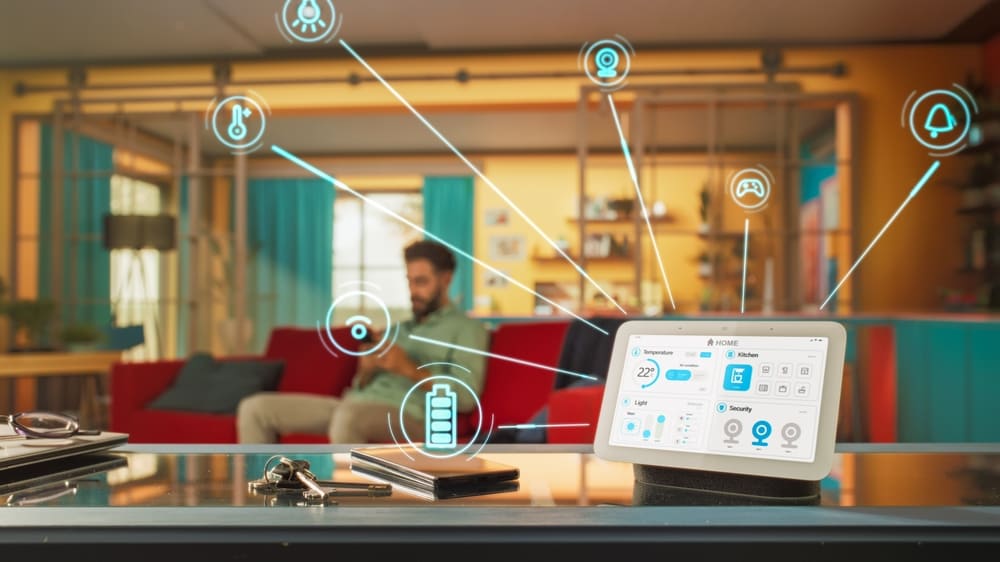
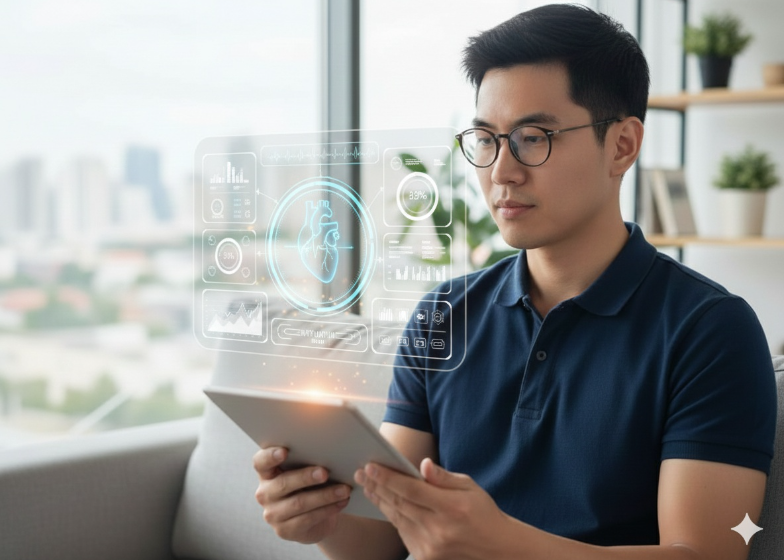
In homes, IoT improves convenience, energy management, and security. Smart thermostats, lighting, and security cameras adapt to user preferences and can be managed remotely via mobile apps. In healthcare, connected devices monitor vital signs, track chronic conditions, and facilitate telemedicine, improving patient outcomes while reducing hospital visits and healthcare costs.
Industries are leveraging IoT to enhance efficiency and productivity. Manufacturing uses sensors for predictive maintenance, minimizing downtime and reducing repair costs. Supply chains are more transparent, as IoT tracks inventory and shipments in real time. Smart cities employ IoT for traffic optimization, waste management, energy monitoring, and public safety, creating more sustainable and responsive urban environments.
Despite its benefits, IoT faces challenges including data security, privacy concerns, and interoperability issues between devices. Implementing robust cybersecurity, standardized protocols, and efficient data management is essential to maximize IoT’s potential. Overall, IoT is reshaping industries, improving daily life, and driving innovation through connected technologies.
Internet of Things (IoT)
IoT connects physical objects, sensors, and systems to the internet, allowing them to collect, share, and respond to data. By enabling devices to communicate with each other and with humans, IoT creates smarter, automated, and more efficient environments.
IoT devices span from consumer electronics to industrial machinery and medical equipment. They gather data, support remote monitoring, and optimize operations. Applications are widespread in smart homes, healthcare, transportation, manufacturing, agriculture, and urban infrastructure.
At its core, IoT enhances automation, connectivity, and operational intelligence, powering innovations like predictive maintenance, energy optimization, personalized healthcare, and intelligent city planning.
Understanding IoT
Connected Devices
IoT links devices such as smartphones, home appliances, wearable trackers, vehicles, and industrial equipment to the internet. These devices collect and share data to enable automation and smarter operations. Businesses can monitor assets, optimize resources, and reduce operational costs, potentially saving $10K–$500K/year depending on scale.
Sensors and Data Collection
IoT devices use sensors to capture real-time data, including temperature, motion, location, energy usage, or health metrics. Accurate data allows predictive maintenance, performance optimization, and cost reduction, potentially saving $50K–$1M/year in industrial settings.
Network Connectivity
IoT devices communicate via Wi-Fi, Bluetooth, cellular networks, or specialized protocols. Reliable connectivity ensures consistent data flow between devices, cloud systems, and applications, enabling automation and remote operations. This can boost revenue by $20K–$300K/year through operational efficiency.
Data Processing and Analytics
Collected data is analyzed using cloud or edge computing to generate actionable insights. Analytics enable predictive maintenance, trend analysis, and optimized decision-making, delivering cost savings and additional revenue of $50K–$500K/year.
Automation and Control
IoT devices can act automatically based on data, such as smart thermostats adjusting temperatures, automated irrigation in agriculture, or alerts for equipment malfunctions. Automation reduces errors, improves productivity, and saves $30K–$200K/year.
Applications Across Industries
- Smart Homes: Energy management, security systems, and intelligent lighting.
- Healthcare: Remote monitoring, wearable devices, connected medical equipment.
- Manufacturing: Predictive maintenance, asset tracking, and process optimization.
- Agriculture: Smart irrigation, soil monitoring, and crop management.
- Transportation: Fleet tracking, traffic optimization, and logistics management.
Challenges and Considerations
IoT adoption must address cybersecurity risks, data privacy, device compatibility, and network reliability. Managing these risks ensures that IoT investments deliver returns rather than losses, protecting potential revenue of $50K–$500K/year from inefficiencies and security incidents.
Challenges of IoT
- Data Privacy – Risk of unauthorized access to sensitive information.
- Cybersecurity Threats – Vulnerability to hacking and malware.
- Interoperability – Devices from different vendors may not work together seamlessly.
- Implementation Costs – Hardware, software, and maintenance expenses.
- Network Reliability – Connectivity issues can disrupt operations.
- Data Management – Large volumes of IoT data require efficient processing.
- Energy Requirements – Continuous device operation increases energy consumption.
- Regulations and Compliance – Navigating laws across regions can be complex.
Future Potential of IoT
Smart Homes and Buildings
IoT will enhance automation in homes and offices, managing lighting, climate, security, and energy. Intelligent systems will optimize comfort and efficiency, saving users $500–$2,000/year on utilities while reducing business operational costs.
Healthcare and Remote Monitoring
IoT will expand wearable devices, connected medical equipment, and telemedicine for continuous patient monitoring. Predictive analytics will allow early diagnosis and personalized care, potentially saving $10K–$100K/year per patient group or facility.
Industrial IoT (IIoT) and Smart Manufacturing
Connected machinery and sensors will enable automated production, predictive maintenance, and optimized supply chains. Factories can reduce downtime, maintenance costs, and resource wastage, saving $50K–$1M/year.
Smart Cities and Infrastructure
IoT will drive intelligent urban planning, including traffic control, energy management, and public safety. Cities can achieve sustainability and operational efficiency, potentially saving $100K–$5M/year depending on scale.
Agriculture and Environmental Monitoring
IoT sensors will monitor soil, water, crops, and livestock, enabling precision agriculture. Farmers can boost productivity and reduce waste, generating $5K–$200K/year in savings and additional revenue.
Transportation and Logistics
IoT will optimize fleet management, route planning, and vehicle maintenance. Connected vehicles will enhance safety and efficiency, reducing operational costs by $50K–$500K/year.
New Business Models and Revenue Streams
IoT will support subscription services, predictive maintenance offerings, and monetization of connected device data. Businesses can generate $100K–$1M+ annually depending on industry and scale.
Summary
IoT connects devices, systems, and infrastructure to enable automation, real-time monitoring, and data-driven decisions. From smart homes and healthcare to manufacturing, agriculture, and urban planning, IoT improves efficiency, safety, and convenience. Despite challenges like security, privacy, and interoperability, IoT’s potential to drive innovation, reduce costs, and create new revenue streams makes it a transformative technology for individuals, businesses, and governments.