Wearable Tech: Boosting Health & Productivity

Wearable Tech: Boosting Health & Productivity

Wearable Tech: Boosting Health & Productivity

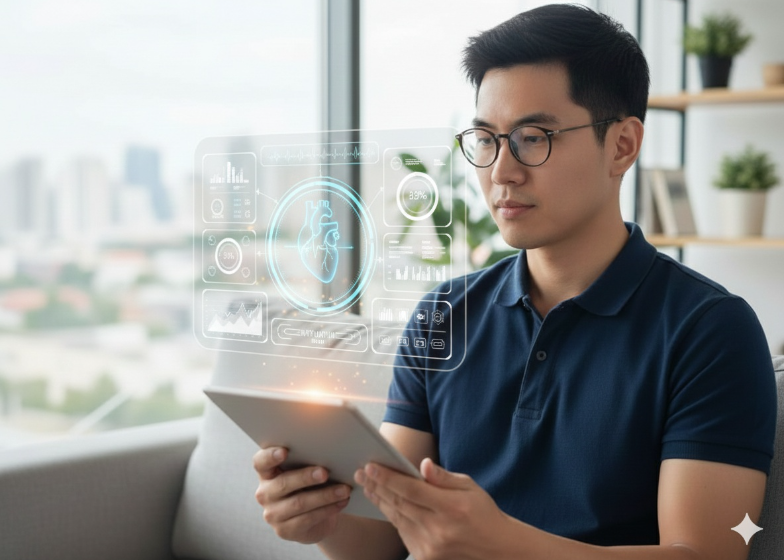
Wearable technology has become a transformative force in modern life, merging healthcare, fitness, and productivity into portable devices that can be worn daily. Gadgets such as smartwatches, fitness bands, and smart glasses track physical activity, sleep, heart rate, and other vital metrics. By delivering real-time insights, these wearables empower users to monitor health, set goals, and adopt healthier habits, ultimately enhancing overall wellness.

Beyond personal use, wearables are increasingly employed in professional environments. Devices can monitor employee movement, detect stress levels, and provide reminders for breaks or posture adjustments, helping organizations boost efficiency and well-being. In sectors like healthcare, logistics, and manufacturing, wearables improve safety by alerting workers to hazards or monitoring vitals during demanding tasks.

Wearable devices also support data-driven decisions. AI and analytics process collected information to deliver personalized advice, predictive insights, and actionable guidance. For instance, smart health devices can detect irregular heart patterns or sleep issues, notifying users or medical professionals promptly for preventive care. Productivity wearables analyze work patterns to optimize schedules, reduce fatigue, and increase focus.

The expansion of wearable technology has opened new opportunities for businesses and innovators. Companies developing devices, software, or health analytics platforms can tap into a growing market, generating revenue from device sales, subscriptions, and analytics services. As technology evolves, wearables will continue to enhance health, productivity, and quality of life.

Understanding Wearable Technology

Wearable technology encompasses electronic devices designed to be worn on the body, equipped with sensors and connectivity to collect and analyze data continuously. Unlike conventional gadgets, wearables offer constant interaction, providing insights into health, activity, or environmental conditions. Common examples include smartwatches, fitness trackers, smart glasses, wearable ECG monitors, and sensor-enabled clothing.

Core functionality relies on sensors and analytics to track metrics such as heart rate, sleep quality, calories burned, steps, posture, and stress levels. Advanced wearables leverage AI to generate recommendations, predictive alerts, and actionable insights for health and performance improvement.

Wearables are increasingly integrated into daily routines and workplaces. They assist individuals in tracking fitness, health, and wellness goals while helping professionals in monitoring safety, productivity, and fatigue in demanding work environments.

By facilitating data-driven insights and preventive measures, wearable technology empowers users and organizations to make informed decisions, optimize performance, and enhance safety, wellness, and efficiency.

Types of Wearable Devices

Smartwatches

Smartwatches combine traditional timekeeping with features like activity tracking, notifications, GPS, and app integration. They act as wearable extensions of smartphones for calls, messages, and productivity tools.

Example: Apple Watch, Samsung Galaxy Watch, Garmin

Benefit: Monitors health metrics, improves communication, and supports daily productivity.

Fitness Trackers

These devices track physical activity, sleep, heart rate, and calories burned. Integration with health apps helps users set goals and monitor progress over time.

Example: Fitbit Charge, Xiaomi Mi Band, Garmin Vivosmart

Benefit: Encourages regular exercise, healthier lifestyles, and consistent wellness tracking.

Smart Glasses

AR-enabled glasses overlay digital content on the real world, assisting in navigation, training, remote collaboration, or hands-free information access.

Example: Google Glass, Vuzix Blade, Microsoft HoloLens

Benefit: Enhances productivity, learning, and interactive experiences.

Wearable ECG and Health Monitors

Medical-grade devices monitor heart rate, blood pressure, oxygen levels, and ECG signals, allowing continuous health tracking for at-risk or chronic patients.

Example: Withings ScanWatch, AliveCor KardiaMobile

Benefit: Enables preventive healthcare and early detection of health anomalies.

Smart Clothing and Textiles

Embedded sensors in garments track heart rate, posture, body temperature, and movement, providing insights for sports, health, and workplace safety.

Example: Hexoskin Smart Shirt, Athos Performance Apparel

Benefit: Continuous monitoring without extra devices, supporting fitness and safety.

Wearable Audio Devices

Smart earbuds and hearing aids can track health metrics, deliver voice assistance, provide noise cancellation, and monitor vitals like heart rate or oxygen saturation.

Example: Apple AirPods Pro, Bose Hearphones

Benefit: Combines audio functionality with wellness and productivity tracking.

VR/AR Headsets

These immersive devices support gaming, training, education, and remote collaboration. Advanced models include motion tracking and eye-tracking for enhanced interactivity.

Example: Oculus Quest, HTC Vive, PlayStation VR

Benefit: Provides immersive experiences, interactive learning, and remote collaboration opportunities.

Challenges and Limitations

Device Costs

High prices of advanced wearables, including AR glasses and medical monitors, can limit adoption among average consumers and small businesses.

Data Privacy and Security

Wearables collect sensitive personal information. Poor security may expose health, location, and activity data to misuse.

Accuracy and Reliability

Sensor limitations or incorrect usage may lead to inaccurate readings, impacting health or productivity insights.

Battery Life and Maintenance

Frequent charging and maintenance are required for continuous tracking, which can affect convenience and consistent usage.

User Adoption and Learning Curve

Understanding how to use devices and interpret data may be challenging for non-tech-savvy users, resulting in underutilization.

Interoperability

Wearables must often sync with other devices or apps. Compatibility issues can reduce seamless operation and limit connected ecosystem benefits.

Over-Reliance on Technology

Dependence on wearables may reduce personal judgment and awareness, causing users to rely too heavily on devices for monitoring.

Data Overload

Large volumes of collected data may overwhelm users without proper analytics or interpretation, reducing actionable insights.

Summary

Wearable technology enhances health monitoring and productivity by providing continuous, actionable insights. Devices like smartwatches, fitness trackers, smart glasses, and medical monitors track vital signs, activity, and workplace metrics, enabling informed decisions for wellness and efficiency. While wearables improve convenience, personalization, and preventive care, challenges such as cost, data privacy, and compatibility exist. Despite these limitations, wearable technology continues to offer substantial opportunities for businesses, entrepreneurs, and professionals through sales, subscriptions, and health or productivity services.

;

Related Articles
Pioneering Ideas that Shape Tomorrow

Big Data & Analytics: Turning Information Into Action

In the modern digital landscape, organizations generate massive amounts of data from websites, social media, sensors, and transactions. Big Data and analytics convert this information into actionable insights, enabling better decision-making, improved operational efficiency, and ...

Top Technology Trends You Must Watch

Technology evolves at an unprecedented pace, with new innovations transforming industries, work practices, and daily life every year; staying informed about emerging trends allows professionals, businesses, and students to adapt quickly, seize opportunities, and maintain a compet...

Wearable Tech: Boosting Health & Productivity

Wearable technology has become an essential part of modern life, providing real-time insights into health, activity, and productivity. Devices like smartwatches, fitness trackers, and smart glasses help users monitor physical activity, track sleep patterns, manage schedules, and ...

IoT Explained: How Smart Devices Shape the Future

The Internet of Things (IoT) connects everyday devices to the internet, transforming how we live and work. IoT enables smart automation, real-time monitoring, predictive maintenance, and data-driven decision-making, creating more efficient systems in homes, businesses, healthcare...

Cloud Computing: Benefits, Risks & Future

Cloud computing has transformed modern technology, allowing businesses to store, manage, and access data on-demand from anywhere; this scalability, cost-efficiency, and flexibility enable organizations to innovate faster, improve collaboration, and respond quickly to changing bus...

How 5G Is Transforming Communication & Business

The rollout of 5G technology is transforming communication and business by offering ultra-fast speeds, low latency, and massive connectivity, enabling innovations like smart devices, advanced automation, remote work improvements, and new digital experiences across industries worl...

The Future of Robotics in Everyday Life

Robots are no longer limited to industrial factories—they are increasingly integrated into everyday life, assisting with household chores, healthcare, transportation, and more; robotics technology is transforming how we live and work, improving efficiency, safety, and convenience...

Ethical Concerns in Emerging Technologies

Emerging technologies like Artificial Intelligence, robotics, biotechnology, and the Internet of Things are transforming industries and daily life at an unprecedented pace. While these innovations offer enormous opportunities for growth, efficiency, and convenience, they also rai...

AR vs. VR: Key Differences Explained

Augmented Reality (AR) and Virtual Reality (VR) are transforming digital experiences by blending real-world interactions with immersive virtual elements; each technology offers unique applications in gaming, education, marketing, and training, enabling innovative ways to engage u...

AI Revolution: Opportunities & Challenges

Artificial Intelligence (AI) is no longer a futuristic concept; it is an integral part of daily life. From smartphones and smart homes to business analytics, AI is reshaping how we work, communicate, and make decisions. Companies leveraging AI gain efficiency, improve customer ex...

Blockchain Beyond Crypto: Real-World Applications

Blockchain technology, widely recognized for supporting cryptocurrencies like Bitcoin, offers much more than digital currency applications; it provides decentralized, secure, and transparent systems that are transforming industries such as finance, supply chain, healthcare, and m...

Cybersecurity Best Practices for Individuals & Businesses

In today’s digital era, cybersecurity is more important than ever; with increasing threats like hacking, phishing, malware, and ransomware, both individuals and businesses must implement robust security measures, including strong passwords, two-factor authentication, and regular ...

The Rise of Smart Homes and Automation

Smart homes and home automation are transforming daily life by integrating technology into household devices, providing convenience, security, and energy efficiency; homeowners can remotely control lighting, appliances, climate, and security systems, creating a connected, efficie...