Digital Detox Guide: How to Reconnect With Real Life

Digital Detox Guide: How to Reconnect With Real Life

Digital Detox Guide: How to Reconnect With Real Life

We live in a time where screens dominate most parts of our daily routine — whether it's work, communication, entertainment, or relaxation. While technology offers convenience and endless information, it also pulls our attention in multiple directions, often leaving us mentally drained. A digital detox is a conscious choice to step away from digital devices to restore balance, improve mental clarity, and reconnect with the world beyond the screen.

Spending too much time online can affect sleep, increase stress, reduce productivity, and create emotional fatigue. It can even disconnect us from meaningful real-life experiences and relationships. Taking intentional breaks from digital noise helps the mind slow down, lowers anxiety, and improves overall well-being by encouraging more presence and awareness.

A digital detox doesn’t require eliminating technology altogether — instead, it encourages healthier device habits. You can set boundaries such as avoiding screens during meals, turning off notifications during work, or scheduling specific times for social media. Filling this unplugged time with meaningful offline activities helps rebuild focus and enhances daily life.

In the end, a digital detox helps you regain control over your time and attention. It allows you to rediscover joy in simple activities, strengthen relationships, and cultivate a calmer, more mindful lifestyle. By disconnecting for a while, you reconnect more deeply with yourself and the real world around you.

Digital Detox

A digital detox refers to intentionally reducing or pausing the use of electronic devices such as smartphones, laptops, televisions, and social media platforms. This break helps ease mental strain, improve concentration, and promote healthier habits. In a world where constant digital interactions create pressure and distraction, a detox offers an opportunity to reset and restore mental balance.

The goal isn’t to eliminate technology completely but to develop a more mindful and controlled approach to its use. Disconnecting helps you focus on activities that enrich your well-being such as conversations, hobbies, and self-care. It reinforces the idea that real-life experiences are just as valuable—if not more meaningful—than digital ones.

A digital detox can last for a few minutes, hours, or even days. Many people choose short breaks daily, while others prefer extended offline periods. Activities during this time often include reading, spending time outdoors, practicing mindfulness, or bonding with loved ones. This intentional shift from digital to physical experiences promotes clarity, emotional balance, and overall wellness.

Ultimately, a digital detox empowers you to break free from digital overload, reconnect with your surroundings, and prioritize what truly matters in life. It supports healthier habits, deeper connections, and a more grounded sense of presence.

Digital Detox: How to Reconnect with Real Life

A digital detox involves stepping back from digital screens to refresh your mind, regain focus, and strengthen your relationship with real-life experiences. Below is a structured guide with key points and actionable steps to help you get started.

Understand the Need for a Digital Detox

Before starting, recognize how constant digital engagement affects your daily life.

  • Mental Overload: Frequent multitasking and notifications drain mental energy.
  • Reduced Productivity: Constant screen time disrupts focus and workflow.
  • Strained Relationships: Digital distractions weaken personal interactions.

Set Clear Boundaries

Establish guidelines that help you distance yourself from devices.

  • Designate Screen-Free Zones: Keep devices away from places like your dining area or bedroom.
  • Scheduled Device Breaks: Assign time slots for checking messages or updates.
  • App Restrictions: Limit notifications or restrict high-usage apps.

Replace Screen Time with Mindful Activities

Use the time you spend offline to develop healthier habits.

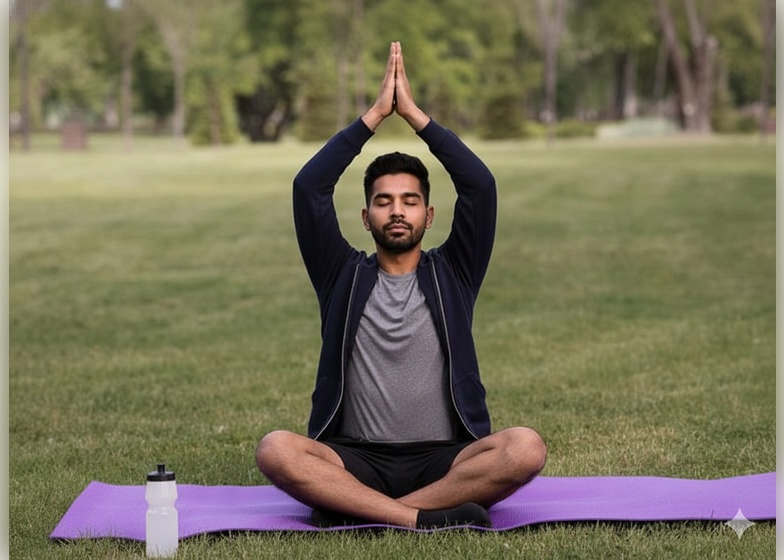
  • Exercise: Physical activity boosts energy and improves mood.
  • Hobbies: Creative activities like drawing, cooking, or reading provide relaxation.
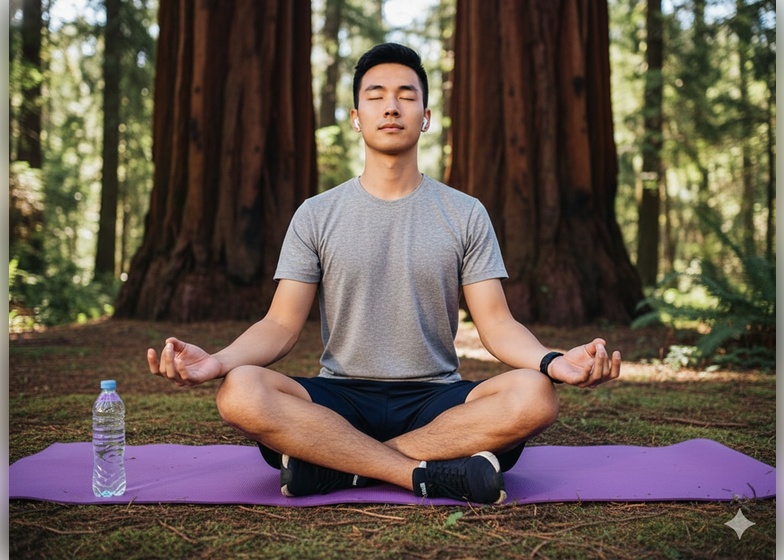
  • Mindfulness Practices: Journaling or meditation supports emotional well-being.

Reconnect with People in Real Life

Use your digital detox to nurture the relationships that matter most.

  • Face-to-Face Conversations: Spend time with loved ones without digital distractions.
  • Social Activities: Participate in group events, gatherings, or shared hobbies.
  • Active Listening: Be fully present, improving the quality of communication.

Reconnect with Nature

Nature helps reset your mind and fosters a sense of peace.

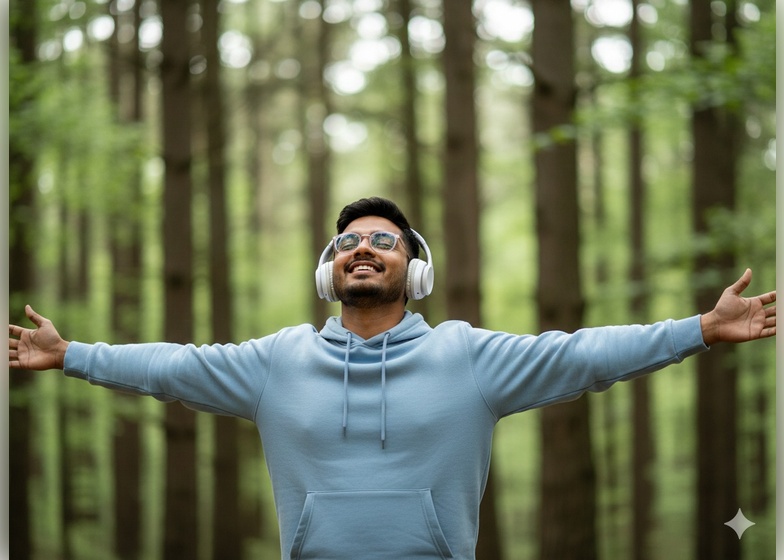
  • Nature Walks: Explore nearby parks, gardens, or beaches to relax your mind.
  • Mindful Observation: Pay attention to the environment to practice presence.
  • Outdoor Activities: Enjoy cycling, hiking, or gardening for mental refreshment.

Reflect and Reassess Your Digital Habits

Evaluate what changed during your detox and adjust your habits moving forward.

  • Identify Triggers: Notice what causes you to use devices excessively.
  • Set Sustainable Limits: Create long-term habits that support balanced tech use.
  • Celebrate Progress: Acknowledge improvements in focus, mood, or relationships.

Benefits of a Digital Detox

Taking breaks from screens offers long-lasting, positive effects.

  • Reduced Stress and Anxiety: Stepping away from digital overload calms the mind.
  • Improved Sleep: Limited screen exposure leads to better rest.
  • Enhanced Productivity and Creativity: Fewer distractions allow your mind to thrive.
  • Stronger Relationships: Being present improves connection and communication.

Summary

A digital detox encourages a healthier relationship with technology by promoting balance, mindfulness, and intentional usage. By setting boundaries, engaging in real-life activities, strengthening relationships, and reconnecting with nature, you regain clarity and control over your daily life. The result is a more focused, peaceful, and fulfilling lifestyle where genuine experiences take priority over constant digital engagement.


;

Related Articles
Inspiring Healthy, Balanced Living

Healthy Meal Prep Ideas for Busy People

In today’s busy world, finding time to cook healthy meals is often difficult, leading many to rely on fast food or skip meals entirely. Meal prep is a practical habit that allows individuals to prepare nutritious meals in advance, save time, maintain a balanced diet, and ensure c...

10 Daily Habits for a Happier, Healthier Life

Building small but powerful daily habits—such as staying active, practicing gratitude, getting enough rest, or setting simple goals—can significantly improve your energy, reduce stress, enhance happiness, and create long-lasting positive changes in your overall lifestyle.

Gut Health & Immunity: The Critical Connection

Your body relies on multiple systems to maintain health, but the immune system is especially critical as it defends against harmful bacteria, viruses, and other pathogens; supporting immunity through proper nutrition, sleep, exercise, and hygiene is essential for overall well-bei...

Work-Life Balance Tips for Better Health

Maintaining a healthy work-life balance is crucial in today’s fast-paced world where constant emails, deadlines, and digital connectivity make it difficult to disconnect, yet prioritizing personal time, rest, and boundaries helps reduce stress, improve well-being, and boost long-...

Digital Detox Guide: How to Reconnect With Real Life

If you feel constantly glued to your phone, reducing digital overload can help restore focus and balance; this practical approach teaches you how to manage screen time, minimize unnecessary interruptions, and create more space for real-life experiences without completely abandoni...

Yoga for Beginners: Poses for Flexibility & Balance

Yoga is much more than physical exercise—it is an ancient mind-body-spirit discipline that has been practiced in India for thousands of years, helping people improve flexibility, balance, and strength while also reducing stress, calming the mind, and promoting overall well-being ...

The Science of Sleep: Tips for Better Rest

Sleep is one of the most important foundations of health, yet many people sacrifice it by staying up late, scrolling on their phones, or relying on caffeine to push through fatigue, even though lack of sleep affects memory, mood, energy, immunity, and overall well-being, making c...

Why Hydration Matters for Your Health

Water is often called the elixir of life because every cell and organ in the body depends on it for proper function, and while humans can survive weeks without food, they can only survive a few days without water, highlighting its essential role in hydration, energy, and overall ...

How to Break Bad Habits and Build Healthy Ones

Habits are powerful patterns that shape your daily life, whether they’re positive routines like exercise and hydration or harmful behaviors like procrastinating and late-night screen time, and changing them requires awareness, repetition, and consistent effort to replace negative...

Superfoods That Increase Energy and Focus

Food provides the essential fuel your brain and body need to function, and this energy depends on steady blood sugar levels, healthy mitochondria inside your cells, proper sleep, regular physical movement, and staying well-hydrated—all of which work together to keep you energized...

Stress Management Techniques That Truly Work

Stress is a common part of life, showing up as pressure before deadlines, racing thoughts, or constant worry, and while a small amount can motivate you, chronic stress affects your mind and body, making it crucial to develop healthy coping strategies.

Mindful Eating: A Beginner’s Guide

In our fast-paced world, many people eat mindlessly—while watching TV, scrolling online, or rushing between tasks—which disconnects them from their food, affects digestion, increases overeating, and reduces the joy of eating, making mindful eating an essential practice for better...

Meditation for Beginners: Step-by-Step Guide

Meditation is a simple practice that trains the mind to stay present and calm by observing thoughts instead of being controlled by them, and for thousands of years, it has been used to reduce stress, improve focus, and promote emotional balance and inner peace.

Why Mental Health Matters for Total Wellness

Health is not just about staying fit through diet and exercise; mental health plays an equally vital role because it influences how you think, feel, handle stress, make decisions, build relationships, and manage daily life, making emotional well-being a crucial part of overall we...