The Future of Robotics in Everyday Life

The Future of Robotics in Everyday Life

The Future of Robotics in Everyday Life

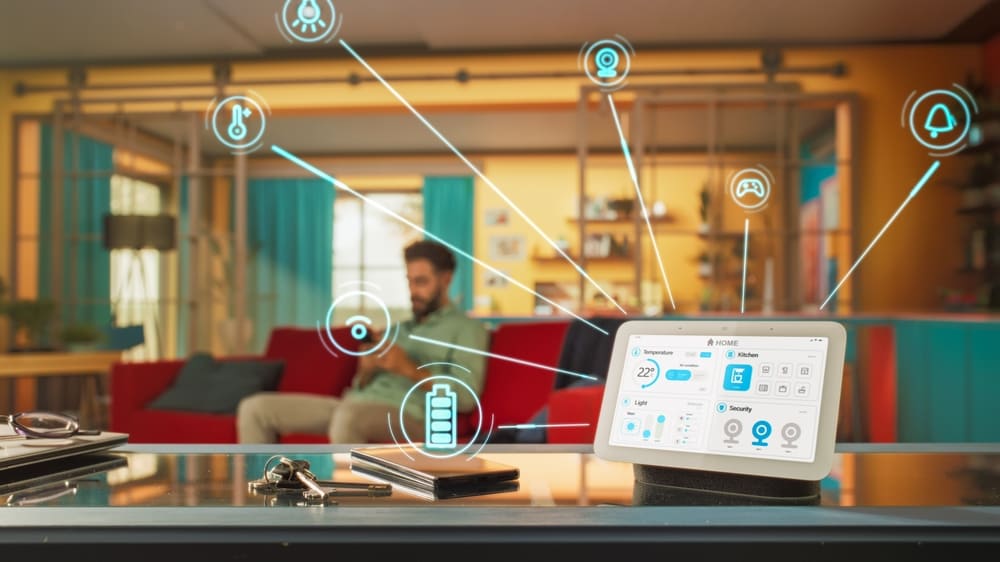
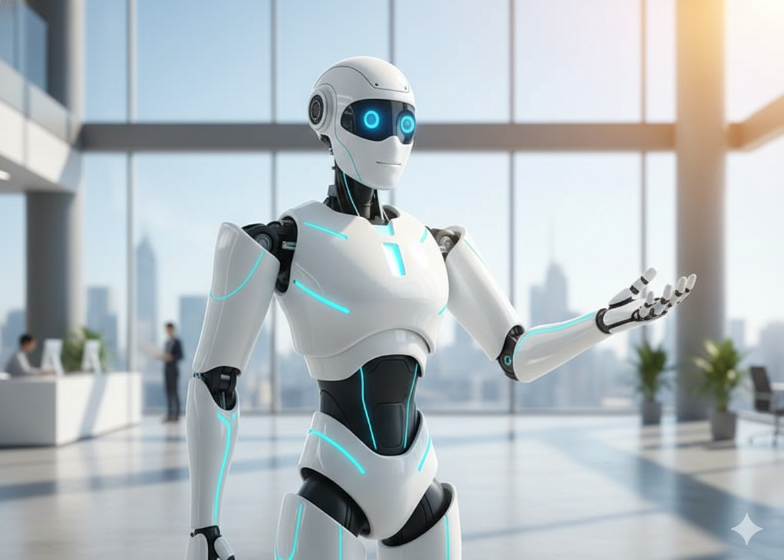
Robotics is increasingly becoming part of everyday life, moving beyond industrial applications into homes, healthcare, education, and public services. Advances in artificial intelligence, machine learning, and sensor technologies have enabled robots to perform tasks that once required human intervention. Today, robots assist in domestic chores, medical procedures, office tasks, and logistics, improving efficiency, safety, and convenience. From robotic vacuum cleaners to surgical robots, these technologies are transforming daily routines and workplace operations.

In households, robots handle cleaning, lawn care, and home security. They can interact with family members, provide reminders, and support the elderly or differently-abled individuals. In healthcare, robots assist in surgeries, rehabilitation, and patient monitoring. Service robots in hotels, restaurants, and retail enhance customer experiences by providing information, delivering goods, or performing routine services.

Businesses leverage robotics to increase productivity, reduce costs, and improve safety. Collaborative robots, known as cobots, work alongside human employees in manufacturing and logistics, taking over repetitive or hazardous tasks. Autonomous delivery robots and drones are reshaping logistics by offering fast, contactless services in urban environments.

As robotics continues to evolve, future robots will become more intelligent, adaptive, and integrated with AI and IoT networks. They will anticipate human needs, learn from environments, and make autonomous decisions. This progress creates economic opportunities by saving time, reducing labor costs, and enabling new services, ultimately contributing to a more connected, efficient, and automated daily life.

What is Robotics?

Robotics is the science and technology of designing, building, and operating robots—machines capable of performing tasks autonomously or semi-autonomously. It merges mechanical engineering, electronics, computer science, and artificial intelligence to create systems that can sense, process information, and act on their environment.

Robots vary from simple domestic devices like automated vacuum cleaners to advanced systems such as surgical robots, self-driving cars, and industrial machines. They are designed to handle repetitive, dangerous, or precision-based tasks efficiently.

Robotics creates economic value by improving productivity, cutting labor costs, and increasing efficiency, potentially saving businesses $50K–$500K annually depending on scale. Entrepreneurs can also profit from developing robotic solutions in healthcare, logistics, home automation, and emerging markets.

Understanding Robotics

Definition of Robotics

Robotics is the interdisciplinary field focused on creating and managing machines that perform tasks autonomously or under human supervision. It enables businesses to improve efficiency and reduce labor expenses, with potential savings of $50K–$500K/year depending on operations.

Core Components of Robots

  • Sensors: Detect inputs like motion, temperature, or obstacles.
  • Actuators: Enable movement and task execution.
  • Controllers: Process data and make operational decisions.
  • Software & Algorithms: Dictate behavior, learning, and adaptability.
  • $ Perspective: Advanced robots enhance productivity, reduce errors, and save significant operational costs.

Types of Robots

  • Industrial Robots: Assembly lines, welding, packaging.
  • Service Robots: Healthcare, hospitality, retail support.
  • Domestic Robots: Cleaning, lawn care, home security.
  • Autonomous Robots: Drones, self-driving vehicles.
  • $ Perspective: Revenue opportunities exist for businesses producing, selling, or deploying robots, ranging $50K–$1M+ annually.

Applications Across Industries

  • Manufacturing: Automation, precision, and quality control.
  • Healthcare: Surgery, rehabilitation, patient monitoring.
  • Logistics: Automated warehouses and delivery systems.
  • Education: Teaching STEM, programming, and robotics concepts.
  • $ Perspective: Robotics improves operational efficiency and creates monetization opportunities through educational kits, programs, and services.

Benefits of Robotics

  • Enhances productivity and accuracy.
  • Reduces human involvement in hazardous or repetitive tasks.
  • Enables innovation and new service models.
  • $ Perspective: Robotics investments lead to cost savings and new revenue streams, from $50K–$500K+ annually depending on adoption.

Challenges in Robotics

  • High upfront development and deployment costs.
  • Requirement for skilled personnel to operate and maintain robots.
  • Compliance with safety and regulatory standards.
  • $ Perspective: Addressing these challenges ensures robotics delivers ROI and minimizes financial risks.

Robotics in Daily Life

Domestic Robots

Robots assist with chores such as vacuuming, lawn maintenance, window cleaning, and home security. Examples include Roomba, robotic lawn mowers, and smart security devices. Households save time and effort, while businesses offering these products can earn $5K–$100K/year per line depending on scale.

Healthcare and Medical Robots

Robots aid in surgeries, rehabilitation, patient monitoring, and elder care. Surgical robots increase precision, while exoskeletons help patients regain mobility. Hospitals benefit from reduced errors, better outcomes, and potential savings of $50K–$500K/year, while robotics companies generate revenue by providing medical solutions.

Service and Hospitality Robots

Hotels, restaurants, and retail environments use robots for customer service, deliveries, and information provision. They improve efficiency, reduce staffing costs, and enhance customer satisfaction, generating potential gains of $20K–$200K/year depending on deployment.

Education and Learning Robots

Robots in classrooms and training centers facilitate hands-on learning in STEM, programming, and robotics concepts. Educational institutions and edtech firms can monetize these tools, generating $5K–$100K+ per year per program.

Industrial and Collaborative Robots (Cobots)

Cobots collaborate with humans in factories, warehouses, and logistics facilities. They handle repetitive, precise, or dangerous tasks, improving safety and productivity. Companies can save $50K–$1M/year depending on size and industry.

Summary

Robotics is becoming an integral part of daily life, extending beyond industrial applications to homes, healthcare, education, logistics, and workplaces. Domestic robots handle chores and security, healthcare robots support surgeries and patient care, service robots improve customer experiences, and cobots enhance industrial operations. With AI and IoT integration, robots will become smarter, adaptive, and proactive, providing efficiency, cost savings, and new revenue streams. Businesses and individuals adopting robotics can optimize operations, reduce expenses, and improve quality of life while capitalizing on emerging opportunities in this transformative technology.


;

Related Articles
Pioneering Ideas that Shape Tomorrow

AI Revolution: Opportunities & Challenges

Artificial Intelligence (AI) is no longer a futuristic concept; it is an integral part of daily life. From smartphones and smart homes to business analytics, AI is reshaping how we work, communicate, and make decisions. Companies leveraging AI gain efficiency, improve customer ex...

Ethical Concerns in Emerging Technologies

Emerging technologies like Artificial Intelligence, robotics, biotechnology, and the Internet of Things are transforming industries and daily life at an unprecedented pace. While these innovations offer enormous opportunities for growth, efficiency, and convenience, they also rai...

Big Data & Analytics: Turning Information Into Action

In the modern digital landscape, organizations generate massive amounts of data from websites, social media, sensors, and transactions. Big Data and analytics convert this information into actionable insights, enabling better decision-making, improved operational efficiency, and ...

Top Technology Trends You Must Watch

Technology evolves at an unprecedented pace, with new innovations transforming industries, work practices, and daily life every year; staying informed about emerging trends allows professionals, businesses, and students to adapt quickly, seize opportunities, and maintain a compet...

IoT Explained: How Smart Devices Shape the Future

The Internet of Things (IoT) connects everyday devices to the internet, transforming how we live and work. IoT enables smart automation, real-time monitoring, predictive maintenance, and data-driven decision-making, creating more efficient systems in homes, businesses, healthcare...

Wearable Tech: Boosting Health & Productivity

Wearable technology has become an essential part of modern life, providing real-time insights into health, activity, and productivity. Devices like smartwatches, fitness trackers, and smart glasses help users monitor physical activity, track sleep patterns, manage schedules, and ...

Blockchain Beyond Crypto: Real-World Applications

Blockchain technology, widely recognized for supporting cryptocurrencies like Bitcoin, offers much more than digital currency applications; it provides decentralized, secure, and transparent systems that are transforming industries such as finance, supply chain, healthcare, and m...

AR vs. VR: Key Differences Explained

Augmented Reality (AR) and Virtual Reality (VR) are transforming digital experiences by blending real-world interactions with immersive virtual elements; each technology offers unique applications in gaming, education, marketing, and training, enabling innovative ways to engage u...

How 5G Is Transforming Communication & Business

The rollout of 5G technology is transforming communication and business by offering ultra-fast speeds, low latency, and massive connectivity, enabling innovations like smart devices, advanced automation, remote work improvements, and new digital experiences across industries worl...

The Future of Robotics in Everyday Life

Robots are no longer limited to industrial factories—they are increasingly integrated into everyday life, assisting with household chores, healthcare, transportation, and more; robotics technology is transforming how we live and work, improving efficiency, safety, and convenience...

Cybersecurity Best Practices for Individuals & Businesses

In today’s digital era, cybersecurity is more important than ever; with increasing threats like hacking, phishing, malware, and ransomware, both individuals and businesses must implement robust security measures, including strong passwords, two-factor authentication, and regular ...

Cloud Computing: Benefits, Risks & Future

Cloud computing has transformed modern technology, allowing businesses to store, manage, and access data on-demand from anywhere; this scalability, cost-efficiency, and flexibility enable organizations to innovate faster, improve collaboration, and respond quickly to changing bus...

The Rise of Smart Homes and Automation

Smart homes and home automation are transforming daily life by integrating technology into household devices, providing convenience, security, and energy efficiency; homeowners can remotely control lighting, appliances, climate, and security systems, creating a connected, efficie...