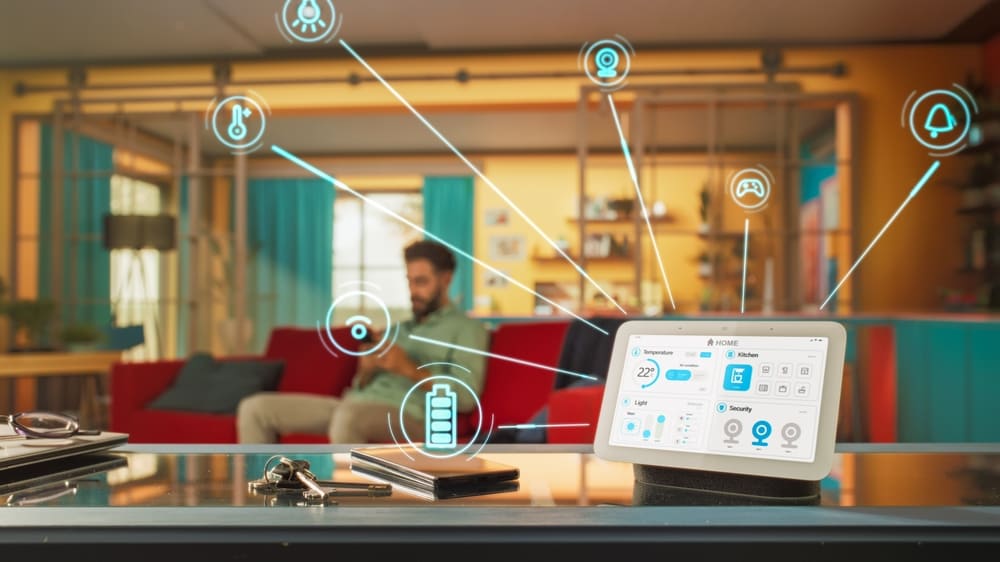
5G, the fifth generation of wireless networks, is transforming how people and businesses communicate. It provides lightning-fast speeds, ultra-low latency, and the ability to connect vast numbers of devices simultaneously. Beyond faster browsing, 5G enables advanced technologies like smart cities, autonomous vehicles, augmented reality, and the Internet of Things (IoT). For consumers, this means seamless streaming, reliable video calls, and improved mobile experiences, while businesses can leverage 5G to create new services and streamline operations.
Businesses can harness 5G to optimize processes, enable automation, and access real-time insights. Manufacturing companies can deploy connected robots and sensors to increase production efficiency, while logistics firms can monitor supply chains instantly. Retailers can deliver immersive AR/VR shopping experiences, and healthcare providers can perform remote procedures with minimal delay. These capabilities allow organizations to reduce costs, explore new revenue streams, and accelerate growth in the digital era.
5G is also redefining user expectations by providing instant, reliable, and personalized experiences. Early adopters gain competitive advantages through faster responsiveness and improved customer engagement. From media streaming to fintech solutions, 5G allows businesses to deliver high-quality services consistently. Furthermore, it encourages collaboration across startups and established companies to innovate in ways previously constrained by network limitations.
Overall, adopting 5G is not just a network upgrade—it is a strategic enabler for business transformation. By facilitating real-time communication, automation, and new digital solutions, 5G supports smarter enterprises, efficient industries, and enhanced consumer experiences. Organizations that embrace its potential early are better positioned to increase productivity and capture emerging opportunities across healthcare, retail, transportation, and beyond.
5G Technology
5G is the latest generation of wireless communication, designed to deliver faster, more reliable, and highly efficient connectivity. Unlike 3G and 4G, which focused primarily on mobile internet speed, 5G is built to support a fully connected digital ecosystem. It offers ultra-fast data transfer, extremely low latency, and the capacity to handle millions of connected devices, making it essential for IoT, autonomous systems, and advanced healthcare solutions.
Technically, 5G leverages high-frequency radio waves, massive MIMO antennas, and network slicing to provide tailored connectivity for different applications. Ultra-low latency benefits applications like gaming or remote medical procedures, while massive connectivity supports industrial automation. 5G is thus not merely faster than 4G but a platform for real-time communication and transformative digital experiences.
For businesses and individuals, 5G is more than speed—it’s about new possibilities. It enables streaming of ultra-HD content, supports smart devices in homes, and empowers mission-critical enterprise applications, shaping the future of communication and business at a global scale.
Key Features
Ultra-Fast Speeds
5G can deliver data speeds up to 10 Gbps, almost 100 times faster than 4G. This allows instant downloads, uninterrupted video streaming, and smooth AR/VR experiences.
Business Impact: Companies can provide superior digital services, creating new opportunities in e-commerce, gaming, and media.
Earning Potential ($) : 5G-powered AR/VR and gaming markets could generate $50B+ globally.
Low Latency
5G latency can be as low as 1 millisecond, enabling real-time applications such as remote surgeries, autonomous vehicles, and smart factories.
Business Impact: Precision-driven industries can operate efficiently, improving safety and operational speed.
Earning Potential ($) : 5G healthcare solutions alone may generate $40B+ by 2030.
Massive Device Connectivity
5G supports up to 1 million devices per square kilometer, powering IoT networks in smart homes, smart cities, and industrial systems.
Business Impact: Real-time insights, predictive maintenance, and automated processes become possible at scale.
Earning Potential ($) : The IoT market enabled by 5G could reach $1.1 Trillion by 2030.
Enhanced Reliability
5G offers stable, consistent connections, minimizing downtime and supporting mission-critical operations.
Business Impact: Industries like finance, transportation, and defense can operate without interruptions, saving costs and reducing risks.
Earning Potential ($) : Reliable networks could save industries millions annually.
Network Slicing
5G enables virtual networks customized for specific applications, such as gaming, healthcare, or manufacturing.
Business Impact: Companies gain optimized performance and secure connectivity tailored to their needs.
Earning Potential ($) : Telecom providers could earn $20B+ annually offering 5G slices.
Improved Spectrum Efficiency
Advanced spectrum technologies, including massive MIMO and millimeter waves, maximize data transfer without congestion.
Business Impact: Urban centers and large organizations can maintain uninterrupted connectivity.
Earning Potential ($) : Smart city initiatives using 5G may generate $500B+ by 2030.
Impact of 5G on Communication and Business
Revolutionizing Mobile Communication
5G ensures seamless video calls, file transfers, and online collaboration with minimal delay, enhancing both personal and business interactions.
Business Impact: Global teams can work efficiently, cutting travel and operational costs.
Earning Potential ($) : 5G-enabled collaboration tools can save companies $100K+ annually.
Boosting IoT and Smart Devices
5G connects millions of devices, forming the backbone for smart homes, cities, connected vehicles, and industrial systems.
Business Impact: Businesses gain real-time insights, predictive maintenance, and automated workflows.
Earning Potential ($) : 5G IoT market projected at $1.1 Trillion by 2030.
Transforming Industries with Real-Time Solutions
Healthcare, manufacturing, and logistics leverage 5G for real-time operations, including remote surgeries, autonomous vehicles, and instant supply chain tracking.
Business Impact: Improved efficiency, fewer errors, and faster responses lead to enhanced customer satisfaction.
Earning Potential ($) : AI + 5G in healthcare could unlock $40B+ annually by 2030.
Enhancing Customer Experience
5G enables high-quality, personalized services like immersive AR/VR shopping, ultra-HD streaming, and interactive entertainment.
Business Impact: Increased engagement leads to customer loyalty and higher revenue potential.
Earning Potential ($) : 5G AR/VR retail projected at $50B+ by 2030.
Remote Work and Collaboration Growth
Reliable 5G connections support virtual meetings, cloud collaboration, and remote work without disruption.
Business Impact: Organizations can reduce costs, hire global talent, and boost productivity.
Earning Potential ($) : SaaS platforms leveraging 5G expected to generate $20B+ by 2028.
Empowering Autonomous Systems
5G supports autonomous vehicles, drones, and smart infrastructure with real-time data transfer, transforming transportation, logistics, and urban planning.
Business Impact: Faster deliveries, optimized logistics, and efficient city management become possible.
Earning Potential ($) : 5G-enabled autonomous systems market projected at $100B+ globally.
Challenges
High Infrastructure Costs
Deploying 5G requires significant investment in towers, small cells, and fiber networks. Dense infrastructure is needed for high-speed, low-latency performance, making rollout expensive.
Limited Coverage
Urban areas have the most coverage, while rural regions lag, limiting adoption and benefits for industries outside cities.
Device Compatibility
Many current smartphones and IoT devices are not 5G-enabled, requiring upgrades that slow adoption and increase costs.
Cybersecurity and Privacy Risks
The growth of connected devices expands potential vulnerabilities, making data protection and network security critical challenges.
Regulatory and Standardization Issues
Diverse global policies for spectrum allocation and security complicate deployment across countries, increasing costs and delays.
Public Health and Environmental Concerns
Concerns about radiation and environmental impact may delay 5G adoption, even without conclusive scientific evidence.
Shortage of Skilled Professionals
Experts in networking, IoT, and cybersecurity are limited, making 5G deployment and integration challenging for businesses.
Summary
5G is transforming communication and business by offering high speeds, low latency, and massive connectivity. Industries like healthcare, logistics, retail, and manufacturing can adopt smart, real-time solutions including remote surgeries, autonomous systems, IoT, and real-time analytics. While adoption brings efficiency, innovation, and growth, challenges such as infrastructure costs, coverage gaps, device compatibility, and cybersecurity remain. Overall, 5G is a pivotal technology driving digital transformation and unlocking new business opportunities worldwide.