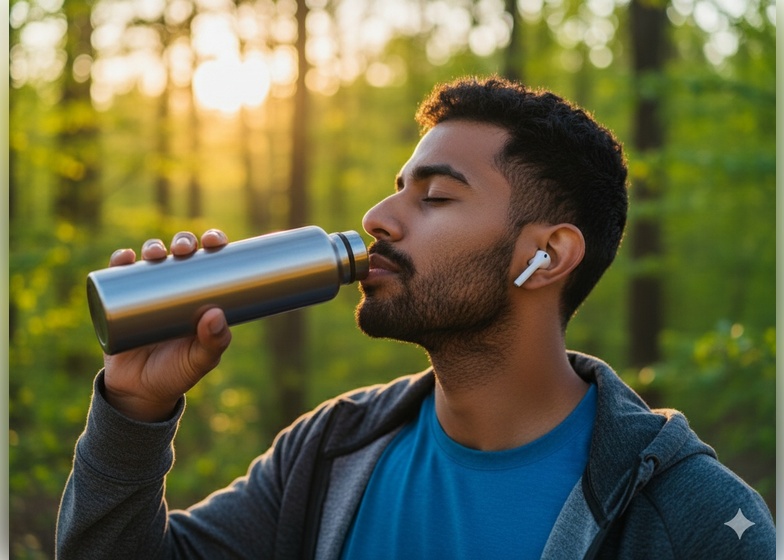
Water is essential for life, supporting almost every bodily function you rely on each day. Your cells, tissues, and organs all depend on adequate hydration to perform at their best. From maintaining temperature and transporting nutrients to keeping joints lubricated and removing waste, water keeps your body running smoothly. When hydration levels drop, you may feel sluggish, unfocused, or experience headaches. Staying hydrated ensures your body remains energized, alert, and capable of functioning efficiently.
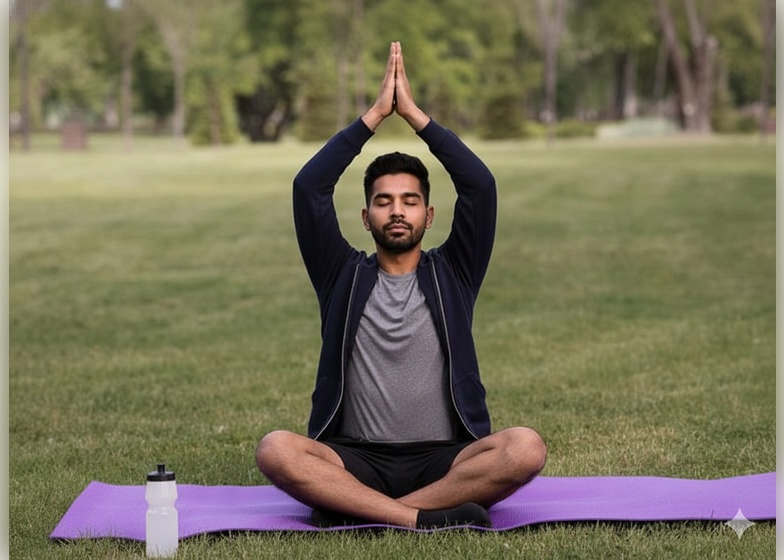
Proper hydration is also crucial for physical activity. During exercise or intense movement, your body loses fluids through sweat, and failing to replace them can lead to cramps, dizziness, or decreased endurance. Whether you’re an athlete or simply active, replenishing lost fluids before, during, and after exercise helps maintain balance and avoid dehydration. Even light dehydration can significantly affect your performance, making water an essential part of fitness and recovery.
Hydration also influences digestion, skin health, and your immune system. Water helps break down food, supports nutrient absorption, and prevents constipation. It assists organs like the kidneys and liver in filtering toxins. On the outside, hydration helps keep your skin smooth, elastic, and glowing, reducing dryness and dullness.
Maintaining good hydration means more than drinking water. Eating water-rich foods, balancing electrolytes, and understanding your body’s needs—based on climate, diet, and activity—are all part of the process. Creating a consistent hydration habit helps enhance your physical health, mental clarity, and overall energy levels.
Hydration
Hydration is the process of giving your body the water it needs to function properly. Since around two-thirds of your body is made of water, keeping your fluid levels balanced is vital. Water regulates body temperature, transports nutrients, lubricates joints, and helps remove waste through sweat, urine, and breathing.
When you’re well-hydrated, your body operates efficiently. But when you lose more water than you consume, dehydration occurs, leading to symptoms like dizziness, tiredness, dry skin, and trouble concentrating. Chronic dehydration can also impact your kidneys, digestion, and skin health.
Simply put, hydration keeps your body in balance. Drinking fluids, eating hydrating foods, and replacing electrolytes help maintain optimal hydration and overall wellness.
Understanding Hydration: The Foundation of Life
Water is often described as the “essence of life” because it plays a central role in nearly all bodily functions. About 60–70% of your body is made up of water, helping circulate nutrients, transport oxygen, and flush out toxins.
Hydration means keeping a balance between the water you drink and the water you lose. When that balance is disrupted, your body responds with warning signs like headaches, exhaustion, or dry skin—signals that your body needs more fluids.
Why Water Is Essential for the Human Body
Regulates Body Temperature
Sweating is your body’s natural cooling system. Without enough water, this process becomes less effective, increasing the risk of overheating or heat-related fatigue.
Whether you’re exercising, outdoors, or simply moving around, proper hydration helps maintain safe body temperature and supports healthy endurance.
Supports Nutrient Transportation
Water helps dissolve nutrients and transport them throughout your body. When hydration is low, your cells receive fewer essential vitamins and minerals.
Drinking enough water supports energy levels, strengthens immunity, and ensures your organs function smoothly.
Aids in Waste Elimination
Your kidneys rely on water to filter and eliminate toxins. Without adequate hydration, urine becomes concentrated, putting added stress on the kidneys.
Staying hydrated promotes healthy detoxification and reduces the risk of kidney stones and infections.
The Science Behind Hydration and Energy
Water directly affects your body’s ability to produce energy. Even slight dehydration can reduce stamina and mental clarity.
Hydration helps maintain healthy blood volume, ensuring oxygen and nutrients reach your brain and muscles quickly.
Proper hydration leads to better focus, improved productivity, and increased overall energy.
Hydration and Brain Function
Your brain is made up of about 75% water, making hydration essential for cognitive performance.
Improves Concentration and Memory
Water supports brain activity, helping with problem-solving, focus, and short-term memory. Dehydration can cause mental fatigue and reduced productivity.
Staying hydrated keeps your mind sharp and improves decision-making.
Regulates Mood and Stress
Dehydration increases cortisol, the stress hormone, which can affect mood. Proper hydration promotes emotional stability and reduces anxiety.
A hydrated brain supports a balanced mood and clearer thinking.
Hydration and Physical Performance
Water fuels muscle function and movement. During physical activity, losing fluids without replacing them limits strength and endurance.
Boosts Endurance and Recovery
Hydration keeps muscles flexible and helps prevent cramps. It also supports faster recovery by clearing out toxins like lactic acid.
Athletes who stay hydrated experience better performance and quicker recovery times.
Enhances Muscle Strength
Muscles contain high amounts of water, and dehydration weakens muscle fibers, increasing injury risk. Staying hydrated maintains strength and movement efficiency.
The Connection Between Hydration and Digestion
Water supports every stage of digestion, from breaking down food to absorbing nutrients.
Supports Nutrient Absorption
Digestive enzymes require water to function properly. Without enough fluids, absorption slows, causing bloating and discomfort.
Prevents Constipation
Water softens stool and promotes regular bowel movements. Insufficient hydration leads to dry stool and constipation.
Hydration for Glowing Skin and Beauty
Healthy skin starts with proper hydration both inside and out.
Maintains Skin Elasticity
Hydration keeps skin firm, smooth, and youthful. Without enough water, fine lines and dryness become more noticeable.
Flushes Out Toxins
Water helps clear impurities, reducing the risk of acne and irritation. Hydrated skin heals and regenerates more effectively.
The Immune System and Hydration
Water plays a major role in maintaining a strong immune system.
Supports Lymphatic Function
The lymphatic system, which transports immune cells, relies on water to function. Dehydration slows this circulation, reducing immunity.
Helps the Body Detox Naturally
Hydration supports the kidneys and liver in removing toxins, helping your body stay resilient and fight infections more effectively.
Signs and Symptoms of Dehydration
Knowing the early signs of dehydration can help you take quick action.
Physical Symptoms
- Dry mouth and increased thirst
- Dizziness or fatigue
- Headaches
- Dark urine
- Muscle cramps
Cognitive Symptoms
- Lack of focus
- Irritability
- Brain fog
Long-Term Effects
Prolonged dehydration can lead to kidney issues, joint discomfort, skin aging, and increased blood pressure. Maintaining hydration is a simple step toward long-term well-being.
Smart Ways to Stay Hydrated
Drink Consistently Throughout the Day
Taking small sips regularly helps your body maintain balance better than occasional large amounts.
Eat Water-Rich Foods
Foods such as cucumbers, oranges, watermelon, and tomatoes help support hydration while providing essential nutrients.
Balance Electrolytes
Hot weather or exercise can drain electrolytes. Coconut water, electrolyte solutions, or adding a pinch of salt can restore balance.
Limit Dehydrating Substances
Alcohol, caffeine, and sugary drinks may contribute to fluid loss. Compensate for these by drinking extra water.
Hydration Myths Debunked
You Must Drink 8 Glasses a Day
Water needs differ for everyone. Activity, body size, and weather conditions all influence hydration needs.
Thirst Is the Best Indicator
Feeling thirsty often means you're already mildly dehydrated. Build habits to drink regularly before thirst appears.
Only Water Counts
Hydrating foods, herbal teas, and natural juices also contribute to your daily fluid intake.
Creating Your Personal Hydration Routine
Building a hydration routine takes consistency and conscious effort.
Start your day by drinking water, and keep a reusable bottle nearby as a reminder. Add natural flavors like lemon or mint to make it enjoyable.
Using reminders or apps can help you track your water intake. Over time, drinking water becomes a natural habit.
Hydration and Mental Wellness
Water also plays a role in emotional well-being. Dehydration may cause irritability, stress, and mood swings, while proper hydration supports mental clarity and calmness.
Hydrating regularly helps regulate neurotransmitters, improving mood and overall mental balance.
The Role of Hydration in Aging Gracefully
As we age, our sense of thirst decreases, making dehydration more likely. Yet hydration remains essential for maintaining energy, joint mobility, and youthful skin.
Drinking enough water supports healthy tissues, smooth skin, and efficient organ function, promoting vitality at every age.
Conclusion: Water — The Simplest Path to Wellness
Hydration affects every aspect of your health—from physical stamina and cognitive function to mood, skin, and immunity. It keeps your organs working properly and enhances your overall quality of life.
Despite countless wellness trends, water remains the most powerful and accessible tool for better health. By prioritizing hydration daily, you nurture your body, mind, and long-term well-being.
Summary
Hydration is a cornerstone of good health, influencing everything from energy and focus to digestion, immunity, and skin appearance. Water regulates body temperature, transports nutrients, and removes toxins. Even mild dehydration can affect mood, thinking, and physical performance. Drinking water consistently, eating hydrating foods, and maintaining electrolyte balance help support body and mind. Simply staying hydrated is one of the most effective ways to boost your energy, enhance your mood, and protect long-term wellness.