Stress touches everyone, but the way we respond to it determines its impact on our bodies and minds. When stress becomes constant, it can drain your energy, disrupt sleep, and affect your productivity. Learning effective ways to manage stress helps maintain mental clarity, emotional balance, and overall well-being. With the right tools and habits, it’s possible to stay calm, focused, and resilient even during demanding times.
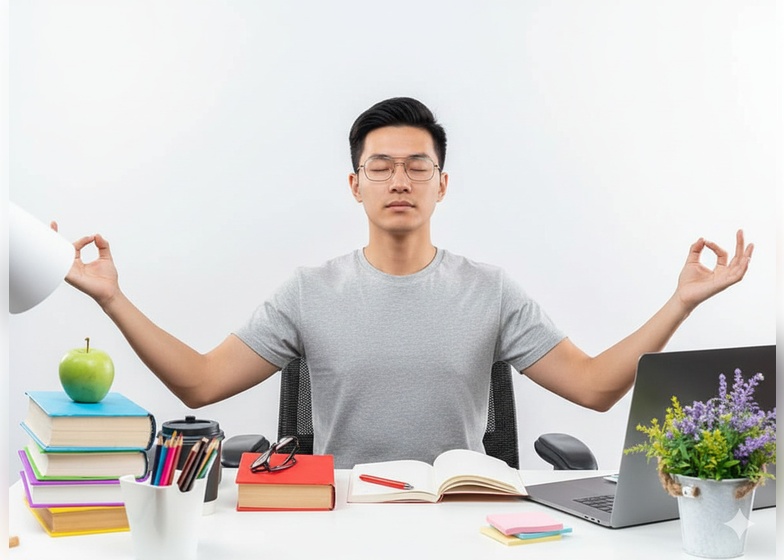
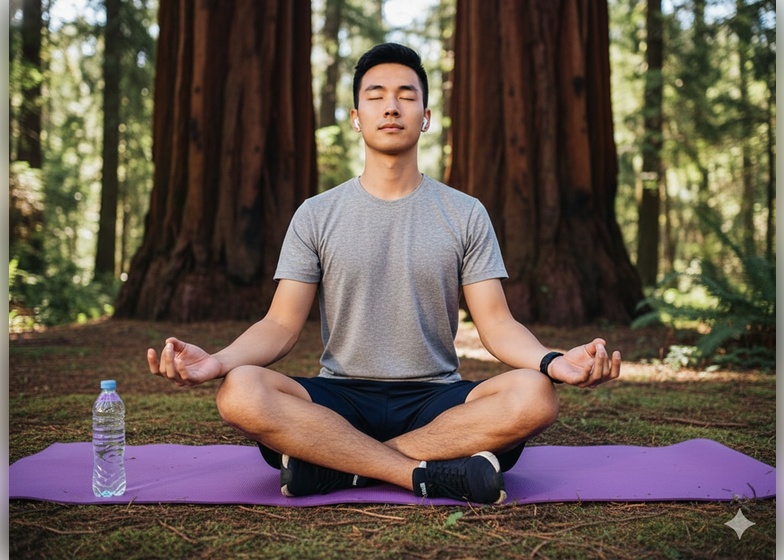
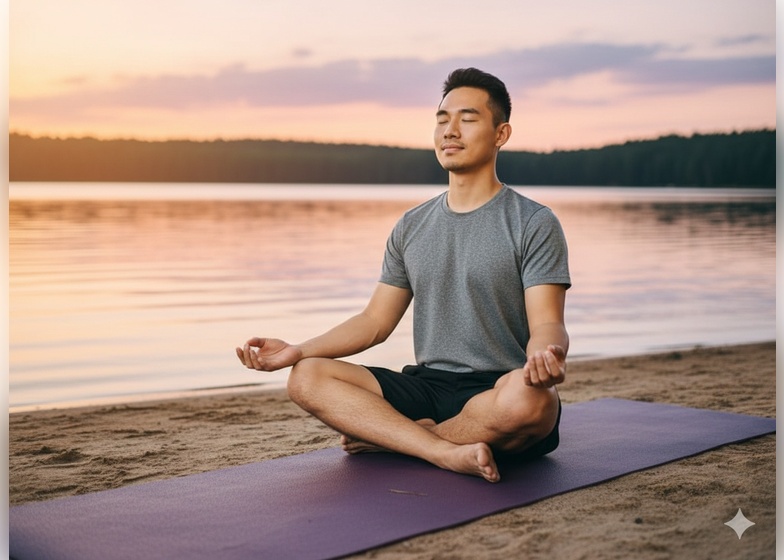
Mindfulness and meditation are among the most powerful ways to reduce stress. These practices train the mind to stay grounded, easing constant overthinking and helping you slow down. Simple techniques such as deep breathing, mindful awareness, or guided meditation can relax the nervous system and clear mental tension. Even a few minutes daily can create a noticeable shift in mood and clarity.
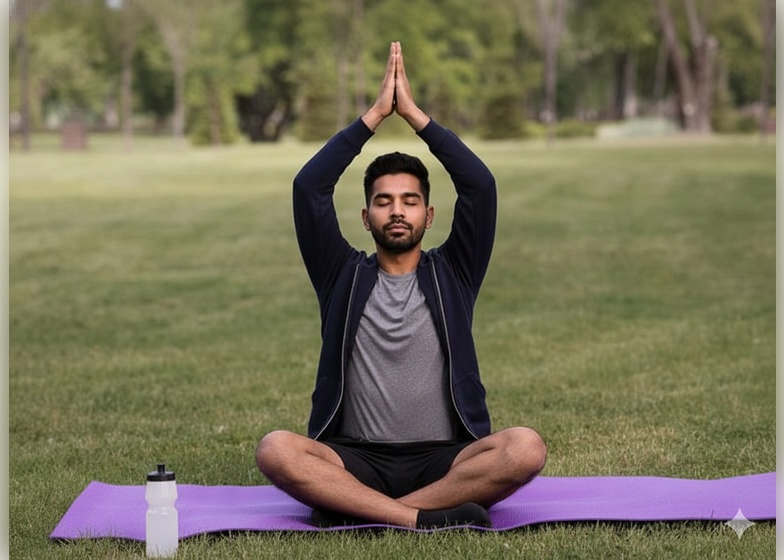
Physical movement is another essential stress reliever. Exercise increases endorphins, improves mood, and releases built-up tension from the body. Whether it’s walking, yoga, strength training, or a quick stretch session, staying active helps reduce anxiety and enhances emotional stability. Even short bursts of physical activity throughout the day can help regulate stress levels.
Lastly, maintaining healthy routines plays a significant role in long-term stress management. Eating nutritious meals, sleeping well, setting realistic boundaries, and making time for hobbies all contribute to a more balanced life. Surrounding yourself with supportive people, taking breaks, and knowing when to seek professional help are also important for mental and emotional health. When practiced consistently, these strategies create a strong foundation for managing stress effectively.
Stress Management Techniques That Actually Work
Mindfulness and Meditation
Focus on the Present Moment
Mindfulness involves intentionally paying attention to the present moment without judgment. It helps quiet the constant internal chatter and reduces unnecessary worry. By noticing sensations, breathing, or your surroundings, you shift your mind away from stress and into awareness.
During overwhelming situations, pausing to ground yourself—even for a few seconds—can create a sense of control and calm. Over time, mindfulness sharpens concentration and enhances emotional stability.
With regular practice, you become more aware of your reactions and can respond to stress with greater clarity and patience.
Deep Breathing Exercises
Deep, controlled breathing activates the body’s relaxation response. Methods such as box breathing or slow belly breathing help slow the heart rate and ease physical tension.
These techniques are especially useful during stressful moments like deadlines, arguments, or high-pressure tasks. A few mindful breaths can quickly restore balance and mental steadiness.
Deep breathing also improves oxygen flow, helping you think more clearly and stay grounded throughout the day.
Guided Meditation and Relaxation Practices
Guided meditation programs offer structured steps to help relax your mind and body. Whether through apps, videos, or audio tracks, these sessions help you unwind and let go of mental stress.
Practices such as progressive muscle relaxation or visualization are especially effective for calming anxiety and releasing tension.
With consistent use, guided relaxation strengthens emotional resilience and improves your ability to remain calm in difficult situations.
Physical Activity
Release of Endorphins
Exercise boosts endorphins—the natural chemicals that elevate mood and reduce pain perception. Activities like swimming, cycling, or aerobics generate a sense of well-being and help clear mental fog.
Regular movement lowers stress levels and supports long-term mental health by stabilizing emotions and increasing energy.
Over time, exercise improves stamina and makes it easier to handle daily stressors with less overwhelm.
Outlet for Tension and Energy
Stress often appears as restlessness, tight muscles, or discomfort. Physical activity releases this built-up tension. Activities like yoga, stretching, or strength training help relax the body and mind.
Movement refocuses the mind and prevents stress from accumulating internally.
Group workouts or sports also provide connection and motivation, helping boost overall emotional well-being.
Improved Sleep and Cognitive Function
Exercise promotes restful sleep and reduces insomnia. Quality sleep strengthens mental focus, emotional balance, and stress recovery.
Physical activity enhances memory, decision-making, and concentration—all of which are essential during stressful periods.
Even gentle exercises like walking can significantly improve sleep quality and reduce mental fatigue.
Healthy Lifestyle Choices
Balanced Nutrition
A healthy diet supports stable energy, balanced mood, and overall resilience. Eating whole foods—such as fruits, vegetables, nuts, and lean proteins—helps prevent stress-related irritability.
Minimizing sugary or processed foods prevents energy crashes and emotional fluctuations.
Staying hydrated also plays a big role in maintaining focus and reducing fatigue.
Adequate Sleep
Good sleep acts as a natural stress reliever. Consistent rest improves emotional regulation, productivity, and mental clarity.
Lack of sleep increases stress sensitivity, making simple tasks feel overwhelming.
Establishing a relaxing night routine helps signal to the body that it’s time to unwind and recover.
Avoiding Stimulants and Alcohol
Overconsumption of caffeine, alcohol, or nicotine can intensify stress and disrupt sleep cycles. Reducing these substances helps regulate mood and maintain calmness.
Alcohol may feel relaxing at first, but it often increases anxiety afterward. Nicotine increases alertness, making it harder to relax.
Replacing stimulants with calming alternatives supports long-term stress reduction.
Time Management and Prioritization
Setting Realistic Goals
Organizing tasks into manageable steps reduces overwhelm and helps maintain clarity. Clear, achievable goals prevent burnout and enhance productivity.
Smaller wins create momentum and build confidence.
Adjusting goals when needed ensures steady progress without unnecessary pressure.
Scheduling Breaks
Taking short breaks helps reset your mind and prevent exhaustion. Stepping away for a few minutes improves focus and creativity.
Breaks reduce mental overload and enhance long-term productivity.
Even quick pauses for stretching or deep breathing can significantly reduce stress throughout the day.
Delegating Tasks
Sharing responsibilities reduces pressure and prevents burnout. Delegation allows you to focus on essential tasks without feeling overloaded.
It also encourages teamwork and strengthens relationships.
Learning to say “no” when necessary protects your time, energy, and mental health.
Social Support and Communication
Connecting with Loved Ones
Spending time with supportive people brings comfort and perspective. Sharing your worries reduces feelings of isolation.
Positive social interactions boost resilience, improve mood, and reduce stress.
A strong support network acts as a buffer during difficult times.
Expressing Emotions
Letting your emotions out—through conversations, journaling, or therapy—prevents internal stress buildup.
Recognizing and expressing feelings promotes emotional healing and clarity.
Healthy emotional expression strengthens coping skills and mental well-being.
Engaging in Group Activities
Group hobbies or community events help reduce loneliness and introduce enjoyable experiences.
These activities create opportunities for fun, creativity, and collaboration.
Being part of a community enhances belonging and reduces daily stress.
Hobbies and Leisure Activities
Creative Outlets
Activities such as painting, writing, or music offer a healthy way to express emotions and reduce mental pressure.
Creative work redirects the mind from stress and encourages relaxation.
Engaging in hobbies also builds self-esteem and promotes personal growth.
Nature and Outdoor Activities
Nature has a calming effect on both body and mind. Outdoor activities like hiking, gardening, or simply walking outside help reduce anxiety and improve mood.
Fresh air and sunlight boost energy and enhance mental clarity.
Spending time in natural environments encourages mindfulness and relaxation.
Mindful Leisure
Participating in leisure activities with full awareness—such as reading, cooking, or gentle walking—helps reset your mind and recharge your energy.
Mindful leisure shifts attention from stress and promotes emotional balance.
Integrating small leisure moments into your routine strengthens mental resilience.
Professional Help When Needed
Therapy and Counseling
Therapists help identify stress triggers and teach coping strategies tailored to your needs. Therapy offers a safe space to process emotions and build healthier thought patterns.
Approaches like CBT, mindfulness therapy, or talk therapy can significantly reduce stress and anxiety.
Seeking help early prevents stress from escalating into more serious mental health challenges.
Stress-Reduction Programs
Programs such as MBSR, relaxation workshops, or structured breathing classes provide guided techniques for managing stress.
These programs teach practical tools that can be used daily to maintain calm and clarity.
Regular participation enhances emotional stability and long-term resilience.
Medical Intervention
In severe cases, persistent stress may require medical support. Healthcare professionals can suggest treatments such as medication, supplements, or therapy plans to help manage symptoms.
Medical care, combined with lifestyle changes, provides a well-rounded approach to stress management.
Early intervention reduces the risk of long-term health complications and supports overall well-being.
Summary
Managing stress is essential for maintaining physical energy, mental clarity, and emotional balance. Strategies like mindfulness, deep breathing, and guided relaxation help calm the mind, while regular exercise boosts mood and reduces tension. Healthy sleep, balanced nutrition, and limiting stimulants build long-term resilience. Time management, supportive relationships, enjoyable hobbies, and professional guidance further strengthen your ability to handle daily pressures. When practiced consistently, these techniques create a more peaceful, focused, and fulfilling life.