Meditation for Beginners: Step-by-Step Guide

Meditation for Beginners: Step-by-Step Guide

Meditation for Beginners: Step-by-Step Guide

Meditation is a simple yet powerful practice that helps you cultivate inner peace, mental clarity, and emotional stability. While it may seem difficult at first, meditation is accessible to everyone. It’s not about silencing your thoughts completely, but about learning how to observe them calmly and without judgment. With regular practice, meditation becomes a way to slow down, reconnect with yourself, and navigate life with more ease.

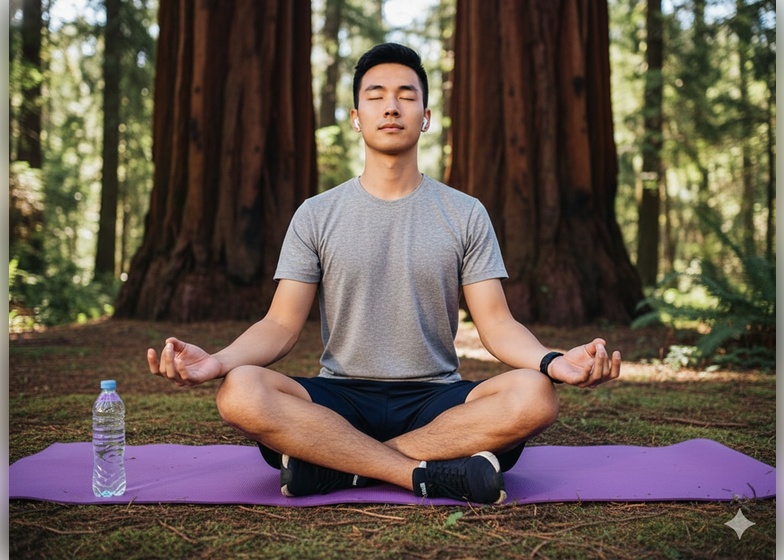
To begin, create a quiet space where you won’t be disturbed. Sit comfortably, relax your body, and close your eyes if it feels right. Start with just a few minutes a day, focusing your attention on your breath. Notice the rise and fall of your chest or the sensation of air passing through your nose. When your mind wanders — which is natural — gently guide your focus back to your breath. This simple act strengthens your ability to stay present and centered.

There are many styles of meditation, including mindfulness, mantra repetition, visualization, and loving-kindness. Beginners often benefit from guided sessions that offer step-by-step instruction. As you explore different techniques, you’ll discover what resonates with you. Consistency is key — a short daily practice is far more effective than long, infrequent sessions. Over time, meditation can transform your mood, your mindset, and your overall well-being.

With patience and regular practice, meditation becomes a supportive part of your daily routine. It helps reduce stress, improves sleep, enhances focus, and promotes a deeper sense of compassion. Each session brings you one step closer to a calmer mind and a more peaceful life. Ultimately, meditation is a personal journey toward self-awareness and inner harmony.

Meditation

Meditation is a mental discipline that encourages focus, mindfulness, and emotional balance. It has been practiced for centuries across cultures and traditions, and today it is widely used to support mental and emotional well-being. At its heart, meditation teaches you to slow down, observe your inner world, and understand your thoughts and feelings without becoming overwhelmed by them.

Unlike simple relaxation, meditation cultivates present-moment awareness. You may focus on your breath, a repeated phrase, an image, or simply notice your thoughts as they come and go. This helps quiet the mental noise and creates space for clarity and calmness.

There are many forms of meditation — mindfulness, guided meditation, mantra meditation, and loving-kindness, to name a few. While each method is unique, the goal remains the same: nurturing a peaceful mind and improving emotional resilience.

With consistent practice, meditation offers numerous benefits, such as reduced stress and anxiety, improved concentration, better sleep, and heightened self-awareness. It helps you respond to challenges with patience and clarity. Meditation is more than a technique — it becomes a lifestyle that leads to inner peace and personal growth.

Meditation for Beginners: A Step-by-Step Guide

Meditation is an effective way to calm the mind, reduce stress, and create emotional balance. While starting may feel unfamiliar, following a structured approach makes the process easier and more enjoyable. This beginner-friendly guide explains each step clearly, helping you develop a meaningful and consistent meditation practice.

Understand What Meditation Is

Before beginning, it’s important to understand the essence of meditation.

  • Definition: Meditation involves training your mind to stay focused and aware. It’s about being present, not perfect.
  • Purpose: It enhances mindfulness, emotional stability, and mental clarity.
  • Misconception: Meditation doesn’t require stopping your thoughts — it teaches you to observe them without reaction.

Choose the Right Time and Place

A peaceful environment helps you meditate more effectively.

  • Quiet Space: Choose a spot where you feel calm and undisturbed.
  • Regular Timing: Early morning or evening works well when the mind is naturally quieter.
  • Comfortable Posture: Sit in a way that feels relaxed and natural — comfort is more important than perfect posture.

Set a Clear Intention

Clarifying your purpose boosts motivation and focus.

  • Reason to Meditate: Stress relief, focus, relaxation, or emotional healing.
  • Short-Term Goal: Start with 5–10 minutes per session.
  • Long-Term Vision: Gradually build up to 20–30 minutes for deeper meditation.

Focus on Your Breath

Your breath acts as the anchor of your attention.

  • Natural Rhythm: Breathe normally and observe the flow.
  • Sensory Awareness: Notice how each inhale and exhale feels in your body.
  • Refocusing: When distractions arise, gently guide your attention back to your breath.

Notice Your Thoughts Without Judgment

It’s normal for the mind to wander — the goal is to stay aware.

  • Observe Calmly: Watch thoughts pass like drifting clouds.
  • No Labels: Avoid judging your thoughts as positive or negative.
  • Return to Focus: Bring your attention back whenever you notice distraction.

Explore Different Meditation Techniques

Trying different methods helps you find what suits you best.

  • Mindfulness Meditation: Focus on the present moment.
  • Guided Meditation: Follow an instructor or app for step-by-step support.
  • Loving-Kindness Meditation: Cultivate compassion using gentle, positive phrases.
  • Mantra Meditation: Repeat a calming word or phrase to center the mind.

Use Helpful Tools

Supportive tools can make meditation easier, especially for beginners.

  • Meditation Apps: Apps like Calm, Headspace, or Insight Timer offer guided sessions.
  • Soft Music or Nature Sounds: Gentle audio helps create a peaceful atmosphere.
  • Timer: Set a timer so you can focus fully without checking the time.

Be Consistent

Consistency builds long-term meditation habits.

  • Daily Routine: Meditate at the same time every day.
  • Start Small: Begin with short sessions and increase gradually.
  • Track Progress: Use a journal or app to record insights and improvements.

Overcome Common Challenges

Every beginner encounters obstacles — patience is the key.

  • Restlessness: Use shorter sessions or try counting breaths.
  • Sleepiness: Sit upright or keep your eyes slightly open.
  • Frustration: Progress is gradual — allow yourself to learn at your own pace.

Reflect After Each Session

Post-meditation reflection helps deepen your awareness.

  • Check-In: Notice how your mind and body feel afterward.
  • Journal: Write down insights, emotions, or thoughts.
  • Gratitude: Appreciate the time you invested in yourself.

Summary

Meditation is not about reaching immediate perfection — it’s about developing mindfulness, patience, and emotional balance over time. With consistent practice, you’ll experience reduced stress, improved focus, and a deeper sense of inner calm. Start small, stay committed, and allow meditation to naturally integrate into your daily life. As your practice grows, so will your sense of peace, clarity, and overall well-being.

;

Related Articles
Inspiring Healthy, Balanced Living

Superfoods That Increase Energy and Focus

Food provides the essential fuel your brain and body need to function, and this energy depends on steady blood sugar levels, healthy mitochondria inside your cells, proper sleep, regular physical movement, and staying well-hydrated—all of which work together to keep you energized...

Meditation for Beginners: Step-by-Step Guide

Meditation is a simple practice that trains the mind to stay present and calm by observing thoughts instead of being controlled by them, and for thousands of years, it has been used to reduce stress, improve focus, and promote emotional balance and inner peace.

Gut Health & Immunity: The Critical Connection

Your body relies on multiple systems to maintain health, but the immune system is especially critical as it defends against harmful bacteria, viruses, and other pathogens; supporting immunity through proper nutrition, sleep, exercise, and hygiene is essential for overall well-bei...

Yoga for Beginners: Poses for Flexibility & Balance

Yoga is much more than physical exercise—it is an ancient mind-body-spirit discipline that has been practiced in India for thousands of years, helping people improve flexibility, balance, and strength while also reducing stress, calming the mind, and promoting overall well-being ...

Healthy Meal Prep Ideas for Busy People

In today’s busy world, finding time to cook healthy meals is often difficult, leading many to rely on fast food or skip meals entirely. Meal prep is a practical habit that allows individuals to prepare nutritious meals in advance, save time, maintain a balanced diet, and ensure c...

10 Daily Habits for a Happier, Healthier Life

Building small but powerful daily habits—such as staying active, practicing gratitude, getting enough rest, or setting simple goals—can significantly improve your energy, reduce stress, enhance happiness, and create long-lasting positive changes in your overall lifestyle.

Digital Detox Guide: How to Reconnect With Real Life

If you feel constantly glued to your phone, reducing digital overload can help restore focus and balance; this practical approach teaches you how to manage screen time, minimize unnecessary interruptions, and create more space for real-life experiences without completely abandoni...

The Science of Sleep: Tips for Better Rest

Sleep is one of the most important foundations of health, yet many people sacrifice it by staying up late, scrolling on their phones, or relying on caffeine to push through fatigue, even though lack of sleep affects memory, mood, energy, immunity, and overall well-being, making c...

Mindful Eating: A Beginner’s Guide

In our fast-paced world, many people eat mindlessly—while watching TV, scrolling online, or rushing between tasks—which disconnects them from their food, affects digestion, increases overeating, and reduces the joy of eating, making mindful eating an essential practice for better...

Stress Management Techniques That Truly Work

Stress is a common part of life, showing up as pressure before deadlines, racing thoughts, or constant worry, and while a small amount can motivate you, chronic stress affects your mind and body, making it crucial to develop healthy coping strategies.

How to Break Bad Habits and Build Healthy Ones

Habits are powerful patterns that shape your daily life, whether they’re positive routines like exercise and hydration or harmful behaviors like procrastinating and late-night screen time, and changing them requires awareness, repetition, and consistent effort to replace negative...

Why Mental Health Matters for Total Wellness

Health is not just about staying fit through diet and exercise; mental health plays an equally vital role because it influences how you think, feel, handle stress, make decisions, build relationships, and manage daily life, making emotional well-being a crucial part of overall we...

Why Hydration Matters for Your Health

Water is often called the elixir of life because every cell and organ in the body depends on it for proper function, and while humans can survive weeks without food, they can only survive a few days without water, highlighting its essential role in hydration, energy, and overall ...

Work-Life Balance Tips for Better Health

Maintaining a healthy work-life balance is crucial in today’s fast-paced world where constant emails, deadlines, and digital connectivity make it difficult to disconnect, yet prioritizing personal time, rest, and boundaries helps reduce stress, improve well-being, and boost long-...