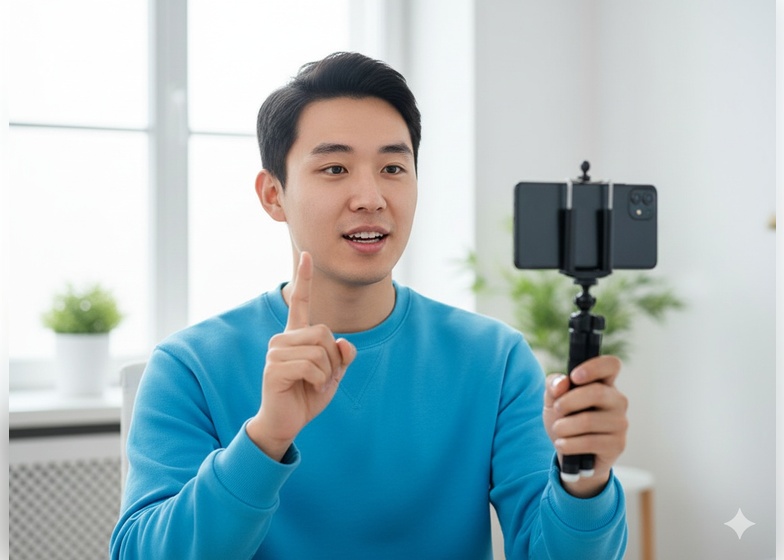
Influencer marketing is a highly effective strategy for brands to reach and engage target audiences. By partnering with influencers who have built trust with their followers, brands can convey messages authentically, boosting engagement, conversions, and loyalty. Well-planned campaigns ensure your content reaches the right audience while delivering measurable results.
The first step is selecting the right influencers. Focus on individuals whose values, industry, and follower demographics align with your brand. Micro-influencers with 10,000–50,000 followers often achieve higher engagement rates and can be more cost-efficient than celebrities. Collaborating with influencers who genuinely support your product ensures content feels natural and credible.
Next, define clear campaign objectives. Whether aiming for brand awareness, lead generation, or direct sales, align the campaign with measurable KPIs such as engagement, reach, or ROI. Allow influencers creative freedom while providing brand guidelines to maintain authenticity. Offering exclusive promo codes or affiliate links also enhances interactivity and tracking.
Finally, monitor and analyze performance. Track engagement, conversions, and audience sentiment to evaluate success. Strong campaigns can evolve into long-term partnerships, with influencers acting as ongoing brand ambassadors. Combining strategy, authenticity, and data-driven insights ensures campaigns drive visibility and sustainable growth.
Marketing Campaign Overview
A marketing campaign is a coordinated series of activities designed to promote a brand, product, or service to a specific audience, achieving defined goals. Campaigns typically use multiple channels and are time-bound, focusing on measurable outcomes like sales, awareness, leads, or engagement.
Unlike one-off promotions, campaigns integrate various mediums—social media, email, paid ads, events, and content marketing—to deliver a consistent message. For example, a product launch might combine influencer content, Instagram ads, email newsletters, and blog posts for maximum impact.
Successful campaigns rely on clear goals, audience understanding, channel selection, and performance measurement. A well-executed campaign attracts new customers while reinforcing relationships with existing ones, generating both immediate results and long-term growth.
Define Campaign Goals
Clear objectives guide influencer selection, content creation, and campaign strategy.
Awareness Campaign
Increase brand visibility and recognition. Success is measured by reach, impressions, and audience growth. Influencers highlight your brand identity and engage followers to remember your message.
Engagement Campaign
Encourage interaction through likes, shares, comments, and mentions. Metrics include engagement rate, social shares, and participation in contests or challenges promoted by influencers.
Conversion Campaign
Focus on driving actions such as purchases, sign-ups, app installs, or subscriptions. Measure success with click-through rates, sales, and leads generated through influencer content.
Select Campaign Type
Choose a campaign type that aligns with your goals and audience.
Product Launch Campaign
Use influencers to showcase a new product’s features, benefits, or usability. Content may include unboxings, reviews, or tutorials.
Discount/Promotion Campaign
Leverage limited-time offers, special deals, or promo codes to drive sales. Track success with code usage and referral links.
Brand Storytelling Campaign
Share authentic stories about your brand’s mission, values, or unique offerings. Emotional narratives build trust and loyalty.
User-Generated Content Campaign
Encourage followers and influencers to create content featuring your brand, enhancing authenticity and organic reach.
Long-Term Partnership Campaign
Maintain ongoing collaborations with influencers for consistent exposure, trust-building, and brand advocacy over time.
Craft the Right Message
Your message should resonate with the influencer’s audience while highlighting your brand effectively.
Authentic Messaging
Content should feel natural, reflecting the influencer’s voice. Authentic messaging strengthens credibility and trust.
Clear Call-to-Action (CTA)
Include actionable instructions such as “Shop now,” “Use code SAVE20,” or “Download today.” Clear CTAs drive conversions.
Value-Focused Messaging
Emphasize how your product solves problems, saves time, or enhances lifestyles rather than just listing features.
Storytelling Approach
Embed your product within a narrative that evokes emotions and reinforces brand identity, creating a memorable impression.
Align Message with Audience
Tailor content to the influencer’s audience demographics and interests.
Audience Insights
Analyze age, location, interests, income, and engagement patterns to ensure messages reach the right people.
Customized Content
Adjust messaging to match niche interests. Wellness influencers need health-focused content, while travel influencers emphasize convenience or lifestyle benefits.
Brand Alignment
Ensure messages support overall brand positioning and marketing goals to maintain credibility and engagement.
Monitor and Optimize
Track results and refine strategies for improved performance.
Key Metrics
Measure engagement, reach, conversions, clicks, and sales. Use analytics tools, UTM codes, and affiliate links for precise insights.
Feedback Collection
Assess audience and influencer feedback to identify the most effective content and messaging styles.
Strategy Adjustment
Refine influencer selection, content, and messaging based on insights to maximize ROI in future campaigns.
Effective Campaign Budgeting
Set a Clear Budget
Determine total spending for influencer fees, content creation, promotions, and tools. A clear budget ensures controlled spending and measurable ROI.
Select Influencers Within Budget
Choose influencers whose cost aligns with your budget, balancing reach, engagement, and value.
Allocate for Content Production
Invest in high-quality visuals, videos, and graphics to enhance engagement and brand perception.
Plan Paid Promotions
Boost influencer content with paid ads for broader visibility and better ROI.
Track ROI
Measure results with KPIs like clicks, conversions, and engagement per dollar spent.
Include Contingency
Reserve 10–15% of your budget for unexpected costs, ensuring flexibility and adaptability.
Optimize Spending
Use performance-based compensation and free tools to maximize cost efficiency.
Analyze Results
Post-campaign, review spending and performance to identify high-ROI influencers and refine future budgets.